
Research Team

Tom Angelo
Tom Angelo is clinical professor emeritus of educational innovation and research at the UNC Eshelman School – where he served as founding Director of CIPhER – the Center for Innovative Pharmacy Education & Research. He is also an Adjunct Senior Lecturer in Monash University’s Faculty of Pharmacy & Pharmaceutical Sciences. Prior to UNC, Tom served as a faculty member, faculty developer, researcher and academic administrator in the United States, New Zealand, and Australia. He has consulted on teaching, learning, assessment, and curriculum design for nearly 300 educational institutions and 80 educational organizations, and delivered more than 90 higher education conference keynote addresses – in all 50 U.S. states and in 20 other countries. Author or co-author of four books and more than forty articles and chapters, his best-known publication, Classroom Assessment Techniques: A Handbook for College Teachers, 2nd Edition, has over 130,000 copies in print. He is currently co-leading a tri-national PharmAlliance research project to identify core concepts in pharmacy education with colleagues from UNC Chapel Hill, Monash University, and University College London.
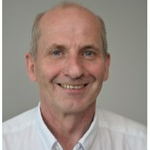
John Kelly
John Kelly is Professor of Pharmacology and Therapeutics at National University of Ireland (NUI) Galway. He has over 40 years in pharmacological and toxicological research, 8 of which have been spent in industry. Current areas of research include the mechanisms of action of antidepressants using preclinical models, and the effects of early social isolation on rodent development. This research has resulted in over 100 peer-reviewed publications, and the textbook Principles of CNS drug development: from test tube to patient published in 2010. Professor Kelly has been involved in developing a range of undergraduate and postgraduate courses in Pharmacology for Science, Medicine, Nursing and Health Science students, with a particular emphasis on developing reasoning skills that are appropriate for the different student groups. Prof. Kelly received the President’s Award for Teaching Excellence, within the College of Medicine Nursing and Health Sciences in 2021, and for NUI Galway in 2011.
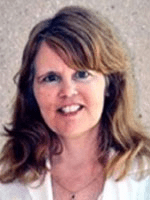
A. Laurel Gorman
Adrienne “Laurel” Gorman, founding faculty, associate professor of pharmacology, and director of preclinical pharmacology curriculum for the University of Central Florida College of Medicine in Orlando, Fl, USA, has served on the American Society for Pharmacology and Experimental Therapeutics Division of Pharmacology Education (ASPET DPE) Executive Committee since 2016. She was elected Chair of the ASPET DPE from 2018-2020 and currently serves on the Executive Committee as a past-chair advisor. She was inducted as a Fellow of the Academy of Pharmacology Educators (F.A.P.E.) in 2016 in recognition for her outstanding contributions to pharmacology teaching and educational scholarship. She currently serves as a US representative on the IUPHAR EDU Core Concepts global project where she co-directs the pharmacodynamics division. She serves on an ASPET DPE collaborative committee modifying national learning objectives for medical school pharmacology education, and is chairing the gastrointestinal pharmacology section. She is a passionate pharmacology educator with over 22 years of teaching experience; she has received numerous awards for teaching quality, innovations, and pharmacology educational scholarship. She has chaired or been invited to present at numerous national and international workshops, focus groups, educational symposia, webinars, and/or abstracts on pharmacology integration, active learning methods (topics include simulations, TBL, gamification, flipped classrooms) for medical educational organizations that include ASPET, the International Academy of Medical School Educators (IAMSE), the AAMC Southern group on Educational Affairs, and the Canadian Society of Pharmacology and Therapeutics. She has published several per-reviewed manuscripts on educational research, and disseminated her findings at peer-reviewed respected national and international medical education meetings.

Steve Tucker
Steve Tucker is a Professor of Pharmacology Education at the University of Aberdeen in Scotland where he leads 5 separate pharmacology degree programmes at undergraduate and postgraduate level. He has overseen redevelopment of the practical teaching across these programmes over the last 10 years and recently led an audit of the Aberdeen undergraduate pharmacology curriculum aligning it with the British Pharmacological Society undergraduate core curriculum. As the current Vice President for Academic Development at the British Pharmacological Society (BPS), Steve chairs the BPS education and training committee which has developed a thriving and interactive BPS education community in recent years. As part of this, Steve has led the project to review and expand the BPS core curriculum through provision of learning outcomes, resources and support for educators, and alongside this has authored a list of fundamental principles for delivering pharmacology education in an inclusive manner.
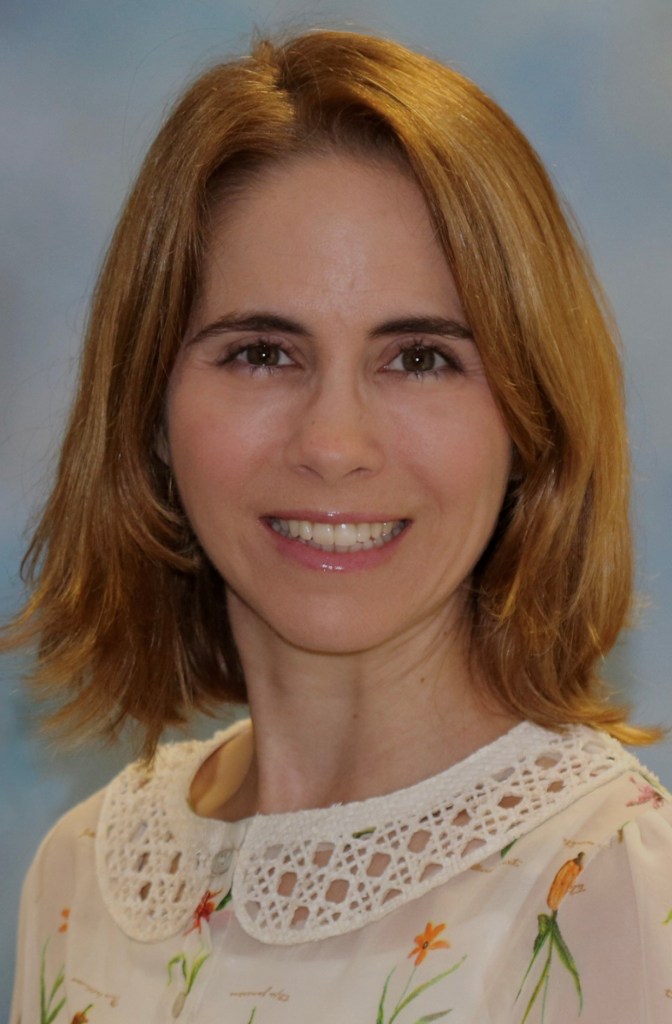
Carolina Restini
Carolina earned her PharmD and Ph.D. in Pharmacology from the University of São Paulo,
Brazil. From 2008 to 2017, she taught and mentored students in health-related programs in
Brazil. Carolina joined MSUCOM in 2017, where she teaches pharmacology for medical
students, develops outreach projects, and conducts research, particularly cardiovascular and renal pharmacology. She emphasizes the practical application of pharmacology, bridging the gap
between bench research and patient care. Carolina’s active engagement with students
incorporates their feedback to enhance pharmacology education through active learning
approaches (PBL and CBL). Her leadership and innovation in pharmacology education have
been recognized through memberships in prestigious organizations like being a member of the
Executive Committee of the Education Section of the International Union of Basic and Clinical Pharmacology (IUPHAR), International Association of Medical Science Educators (IAMSE) to which she is an associate editor of the Manual, and the Division of Pharmacology Education at
the American Society of Pharmacology and Therapeutics (ASPET), to which she is a Fellow of the ASPET Academy for Pharmacology Educators. In addition, Carolina is a member of the USA National Board of Osteopathic Medical Examiners (NBOME). Her research projects on medical education reflect her commitment to integrating pharmacology core concepts into community service, street medicine, and medical training. She explores student learning
mechanisms and measures the impact of clinical experiences on their understanding of
pharmacology.
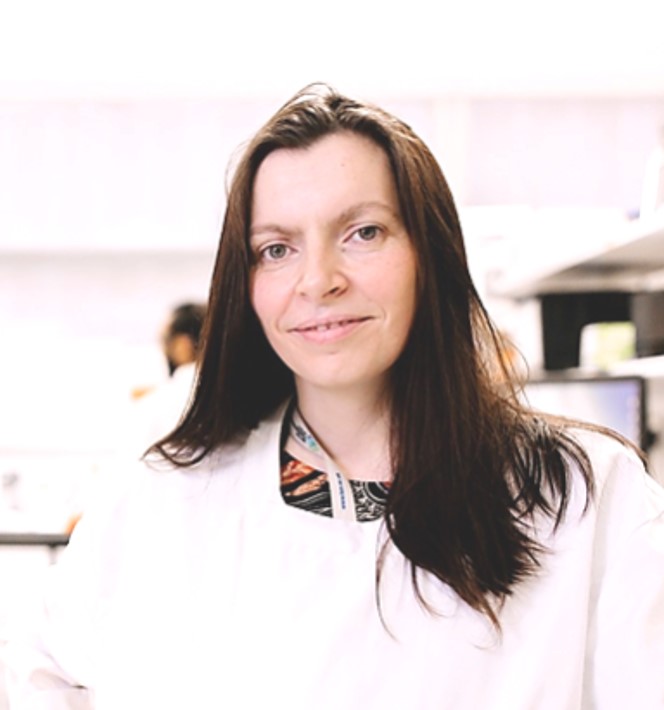
Margaret Cunningham
Margaret Cunningham is a Senior Lecturer in Pharmacology at the University of Strathclyde in Scotland where she will take over the Director of Biomolecular Sciences (BMS) programme in January 2023. She leads pharmacology and clinical pharmacology degree courses at undergraduate and postgraduate level and co-leads the Cardiovascular and Metabolic Disease (CVMD) research group.
Margaret is also the coordinator of BMS outreach, engagement and widening participation in SIPBS with interests in inclusive STEM curriculum for learners with ASN and young people who are under-represented in STEM. Margaret is an elected Fellow and Co-Chair of the Royal Society of Edinburgh Young Academy of Scotland (RSE-YAS) and a Fellow of the British Pharmacological Society (BPS). She is Editor-in-Chief of the BPS Magazine Pharmacology Matters (2017-2022) and a member of the BPS Educators Network.
Jennifer Koenig
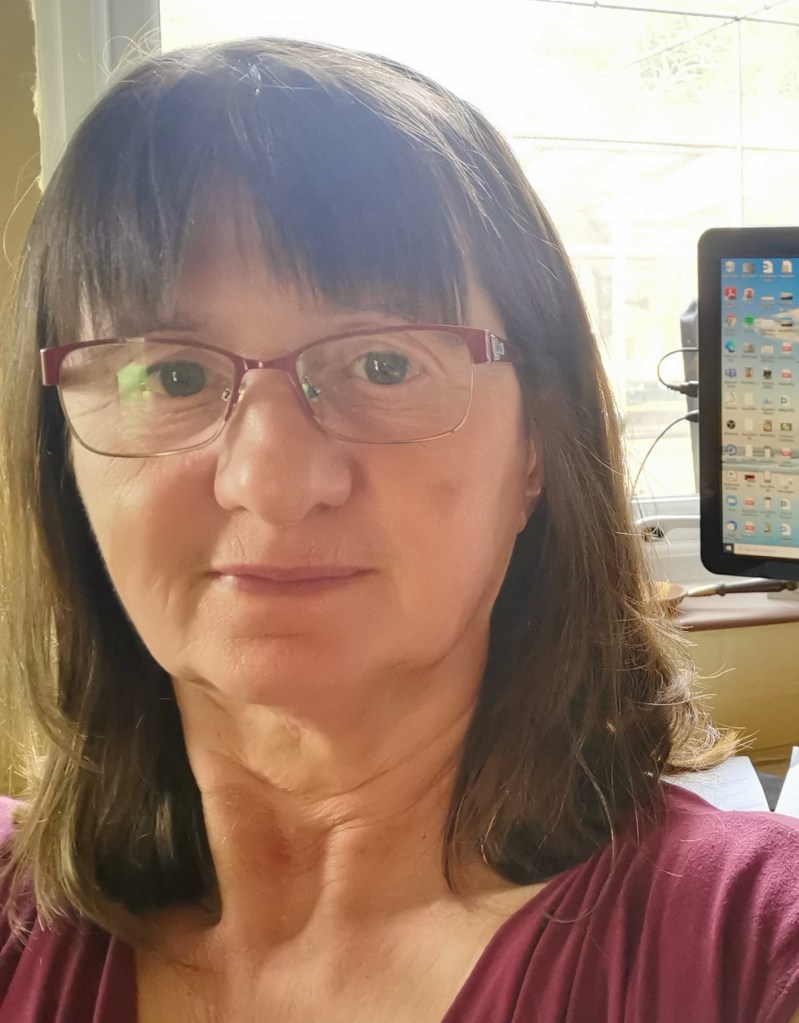
Dr Jenny Koenig is an Assistant Professor in Pharmacology, Senior Tutor and Disability Liaison Officer at the University of Nottingham, U.K. She is the Pharmacology lead for the Graduate Entry Medicine course and leads modules and teaches Pharmacology, Toxicology, Mathematics, Statistics and
Research Design and Methods. After a PhD in the MRC Centre in Cambridge, Jenny’s research focussed on using mathematical models to understand receptor internalisation and recycling. In 2004 she made a break and set up her own business in science education and training. Alongside this, she was a Fellow and Dean at Lucy Cavendish College in the University of Cambridge where she
taught pharmacology and maths. She has also taught for the pharmaceutical industry and the British Pharmacological Society where she is a Fellow and member of the Inclusive Pharmacology Education Steering Group. She has worked extensively with science and maths students with Specific Learning Differences and disabilities. In 2015, Jenny took a few years out from teaching in Higher Education to complete a PGCE and taught secondary science and maths specialising in teaching students with autism and mental health issues. She has published on mathematics and its curriculum in biological sciences and is currently investigating how ethnicity is understood in biomedical science.
Anna-Marie Babey
Anna-Marie Babey is a Senior Lecturer in the School of Science & Technology and a Research Integrity Advisor at the University of New England in Armidale, NSW Australia. She has extensive experience with curriculum development and refresh, having created content and designed assessment for all or parts of 23 units of study in 9 degree programmes across 2 universities. A neuropharmacologist with experience teaching all areas of pharmacology, Anna-Marie has also taught almost all areas of physiology and pathophysiology, as well as medical imaging and genetics. In addition to her role as an IUPHAR Education Section (IUPHAR-Ed) Councillor, she is the inaugural Chair of the IUPHAR-Ed Online Meeting Team and a member of the IUPHAR-Ed Core Concepts of Pharmacology Project research team. Her dedication to quality learning and teaching has extended to her recent acceptance as a member of the Task Force for the National Project: Australian Core Concepts of Physiology.

The International Core Concepts of Pharmacology Education Project is endorsed and adopted by IUPHAR education section. This website is administered by Monash University Faculty of Pharmacy and Pharmaceutical Sciences.
We acknowledge the Traditional Custodians of country throughout Australia and their connections to land, sea and community. We pay our respect to their Elders past and present and extend that respect to all Aboriginal and Torres Strait Islander peoples today.
© International Core Concepts of Pharmacology Education Project 2022
 Core Concepts of Pharmacology